+web.jpg)
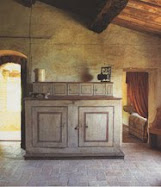
Limed wood furniture is increasingly popular and is being seen in many recent publications. Also known as the whitewashed finish, it originated in Europe in the 1500s to protect the wood pieces from worm. Slaked lime was applied to the wood which, inadvertently, also gave it the decorative finish that became in vogue.

Luckily for us, we have less caustic ways of whitewashing. It is best to begin with a wood that has a more open grain, such as oak or ash. Other woods may be used, but they will whitewash differently, with the liming material collecting in the moldings rather than the grain.

Photo by Nicolas Matheus in Cote Sud
One method involves applying a good furniture wax mixed with pigment; Liberon makes an excellent product called Liming Wax. However, if the furniture is to be used in the kitchens, bathrooms or on floors where they will receive heavy use, this wax paste cannot be varnished for extra protection, so a water-based method would be used instead.

Photo by Lu Jeffery in British Homes & Gardens
With all of the excellent water-based products out now, this method would be the least caustic. I personally favor Stain and Seal by Faux Effects International. I thin the stain until I am happy with the amount of "whitening" on the sample piece, apply it with a brush or cheesecloth and then wipe off until satisfied. Here is a beautiful room with the limed walls taking center stage.

The New Eighteenth-Century Style by Michele Lalande
Great limed wood paneling in this John Saladino room!

Gotta love those plum walls! Timeless Interiors by Barbara Stoeltie

Of course, you can just put the bare wood piece outdoors and let nature do its thing.

Photo by Nicolas Matheus in Cote Sud

Italian Style by Jane Gordon-Clark
I could not possibly end this post without reference to the now classic Veranda magazine cover with Edouard Vermeulen's pigmented, whitewashed wall:

I would call this perfection!

Veranda magazine




 Posts
Posts